PRACTICE AREAS

Miami's Black-Owned Law Firm
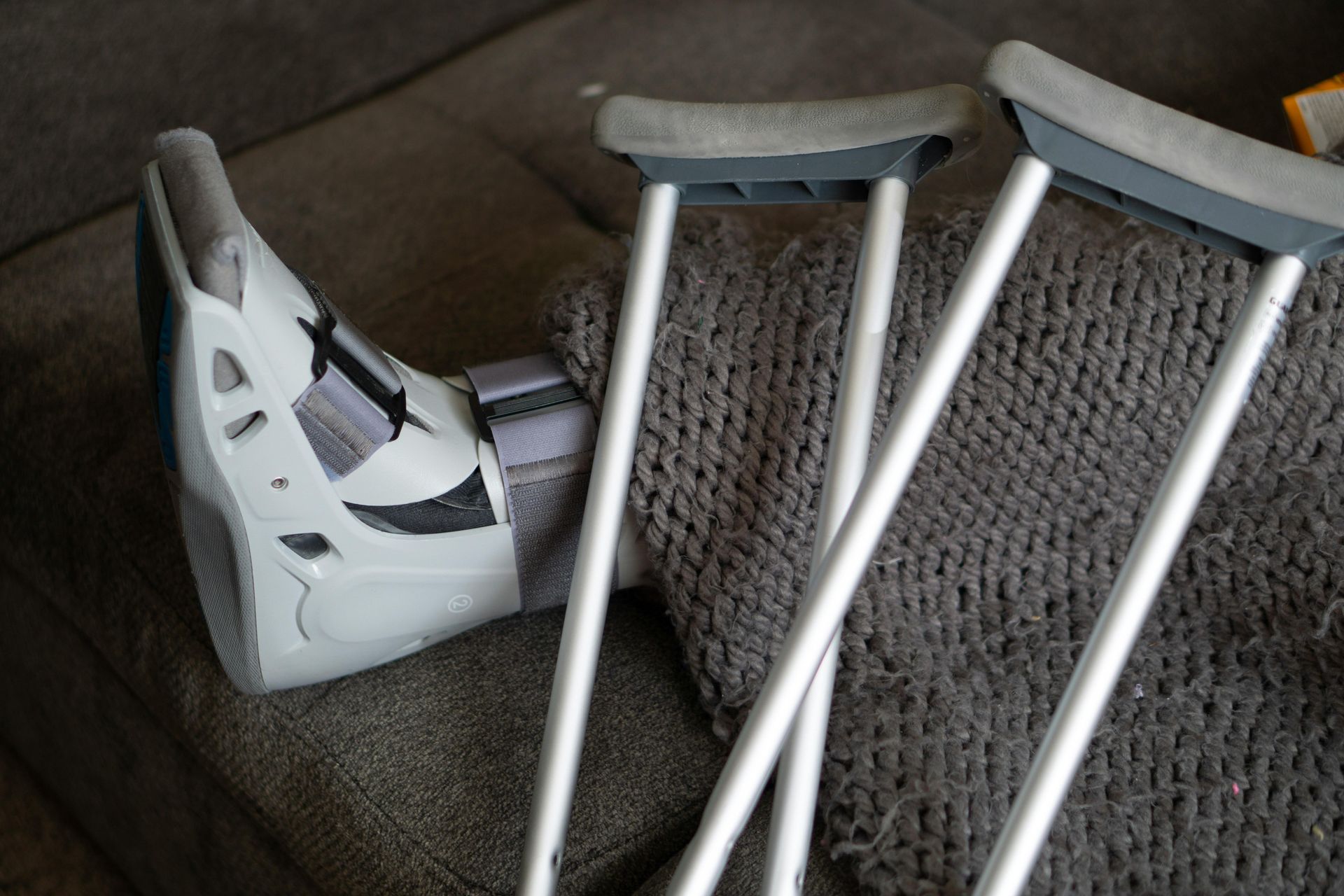
PERSONAL INJURY

There are many ways you could be injured through no fault of your own — such as an injury suffered in a car accident, slip and fall, or from the care of your physician…

LEARN MORE
Miami's Black-Owned Law Firm
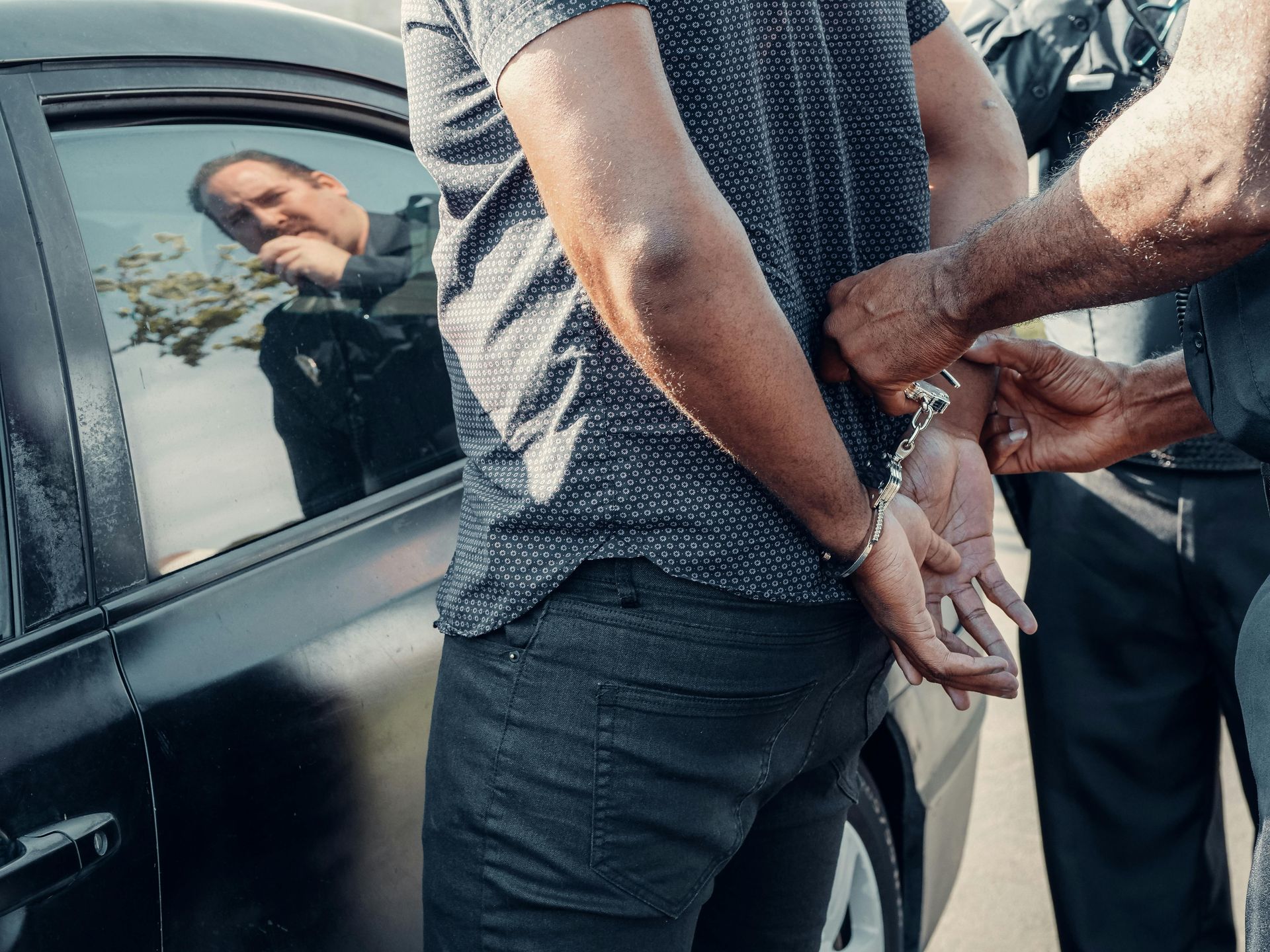
CRIMINAL DEFENSE

Getting arrested can often become a very troubling time in life. Thoughts about what could happen can consume you. If you are charged with a criminal act…

LEARN MORE
Miami's Black-Owned Law Firm
CIVIL RIGHTS VIOLATION

Police can sometimes go too far. While there are many fine, upstanding police officers, there are also the bad apples of the world – police officers who think they are…

LEARN MORE
Passionate | Principled | Advocacy

ARIEL LETT ESQ.

FOUNDING ATTORNEY
MULTI-AWARD WINNING ATTORNEY

Ariel Lett, Esq. is the Managing Attorney of Lett Law Miami's Premier Black Owned, Multi Award Winning Law Firm, specializing in Personal Injury, Criminal Defense, and Civil Rights Violations Claims. Mr. Lett brings broad experience to the Firm. Prior to founding Lett Law, Mr. Lett practiced at large and small defense firms for several years.


While there, he was able to gain a firm understanding of how insurance companies work, how they think, and how they operate. He brings this experience to Lett Law, in order to work most effectively for you: The People. He will make sure that you are not taken advantage of through Bad Faith insurance companies.


In addition to his law firm experience, Mr. Lett also served as a federal law clerk for the Honorable Darrin P. Gayles of the U.S. District Court for the Southern District of Florida. As a federal law clerk, Mr. Lett evaluated and managed many cases, including drafting numerous orders and opinions that decided complex procedural and substantive legal issues. Mr. Lett also has litigation experience in trade secret and non-compete law. These are some of the reasons why Ariel Lett is one of the most trusted Personal Injury, Criminal Defense, and Civil Rights Violations in Miami, and throughout the South Florida area.

Miami's Black-Owned Law Firm
Blank white image.
Award seal:
Blue Lawyers of Distinction 2021 badge with courthouse icon, ribbon, and five stars.
Award announcement for Ariel Lett, Lett Law Firm:
Read More

LETT US FIGHT FOR YOU.


The step-by-step guidance that Lett Law provides their clients throughout the entire litigation process helps to mitigate the financial risks or hardships that can occur over the duration of their case. This education-first approach is why Lett Law Firm is one of the most trusted Black Owned Law Firms in Miami and the South Florida area For Personal Injury, Criminal Defense, and Civil Rights Violations.

Read More

LETT LAW FIRM VIDEOS

LETT LAW FIRM SUCCESS BLOG

January 6, 2026
The arrival of the New Year in Miami brings a unique energy. While the rest of the country is hunkering down for winter, South Floridians are embracing fresh starts, outdoor resolutions, and the vibrant atmosphere of a city in motion. It is a time for setting goals, hosting gatherings, and looking forward to the opportunities ahead. However, the surge in New Year activity—from crowded celebrations to busy shopping centers—also brings a significant spike in accidents. At Lett Law Firm, we want everyone to start their year on a high note. But we also know that an unexpected injury can turn a time of renewal into a season of stress and financial hardship. If you or a loved one are injured as we kick off the year, understanding your rights is the first step toward a successful recovery. The Hazards of the New Year: Common Risks in South Florida The turn of the calendar introduces unique hazards to our daily lives. From the roads to the retail aisles, the excitement of January can quickly lead to dangerous situations. 1. Increased Traffic and Resolution Rush Miami traffic is notoriously difficult year-round, but the start of the year brings a perfect storm of congestion. With tourists visiting our beaches and locals rushing to gyms, offices, and appointments, the Palmetto Expressway and I-95 become hotbeds for collisions. Distracted driving—often caused by drivers checking GPS for new event locations or handling the stress of a busy schedule—leads to thousands of accidents. 2. Celebrations and Impaired Driving New Year’s events often involve increased alcohol consumption. Unfortunately, not everyone chooses a rideshare. Despite strict Florida laws, DUI accidents remain a leading cause of injury during the first week of January. A collision with an impaired driver isn't just an accident; it is a negligent act that demands accountability. 3. Slip and Falls in Busy Retail Spaces As people head to stores for New Year sales or to return items, grocery stores and malls often neglect safety in the rush. Spilled drinks, loose floor mats, or overcrowded aisles create significant slip-and-fall hazards. Under Florida’s premises liability laws, business owners have a duty to maintain a safe environment for visitors. If they fail and you are injured, they must be held responsible. Hiring a Lawyer: The Best Move for Your Future If you are injured at the start of the year, your first instinct might be to "wait and see" how you feel before handling legal matters. However, waiting can be a costly mistake. The Importance of Immediate Evidence: Store layouts and parking lot conditions change quickly. If you are injured, the evidence—such as a specific hazard or security footage—can be "cleaned up" or overwritten within days. Engaging Ariel Lett, ESQ. immediately ensures we can preserve the evidence needed to prove your case. Dealing with Insurance Adjusters: Insurance companies don’t take breaks. They often use the start of the year to their advantage, knowing that many families are looking to balance their budgets after a busy December. They may offer a lowball settlement just to close the file. Protecting Your Rights: A "quick check" is rarely a fair one. Once you sign a settlement, you waive your right to seek further compensation for future medical bills. Having a dedicated personal injury lawyer means you have a shield between your family and the insurance company’s tactics. New Year Safety: Protecting Your Loved Ones At Lett Law Firm, we are deeply rooted in the Miami community. We want to see our neighbors starting the year safely: Be a Responsible Host: If you are hosting a gathering, ensure your guests have a way to get home safely. Stay Focused on the Road: Put the phone away. No text or GPS update is worth a life. Watch Your Step: Be mindful of your surroundings in crowded public spaces, especially during peak weekend hours. What to Do if You Are Injured This Month If the unthinkable happens and you are involved in a crash or a slip and fall, follow these steps: Seek Medical Attention Immediately: Adrenaline can mask serious injuries like whiplash or internal bruising. Documentation is the foundation of your claim. Report the Incident: Call the police for a car accident or notify the manager for a slip and fall. Take Photos: Capture the scene, the vehicle damage, and the specific hazard. Do Not Admit Fault: Simple statements can be used against you later. Call Lett Law Firm: Contact us before you speak to any insurance adjusters. Seeking Justice for the New Year The goal of a personal injury claim is to restore balance to your life. Ariel Lett, ESQ. is committed to being the advocate you need to ensure a negligent driver or careless business owner doesn't rob you of your health and financial stability. Don't let an accident ruin your momentum. Let us help you turn the page and start the New Year with the resources you need to recover.
By Estefania Buenano November 13, 2025
If you are facing a criminal investigation or arrest in Miami-Dade County, the immense power of the State can feel overwhelming. The criminal justice system is complex, and the stakes—your freedom, your reputation, and your future—could not be higher. However, the U.S. Constitution and the Florida Statutes afford every accused individual a robust set of rights designed to protect them from government overreach and ensure a fair legal process. Understanding these rights is not just a theoretical exercise; it is the most critical defense you possess from the moment law enforcement makes contact. Knowing when to speak, when to remain silent, and when to demand legal counsel can drastically alter the outcome of your case. At Lett Law Firm, we are dedicated to vigorously defending the constitutional protections of our clients. Ariel Lett, ESQ., the Founding Attorney of Lett Law Firm, is one of Miami's Top Criminal Defense, Personal Injury, Car Accident, and Civil Rights Violations Lawyers. Get The Justice That You Deserve. We believe that an informed client is an empowered client. The Cornerstone of Due Process: Your Constitutional Rights The majority of rights afforded to the accused are enshrined in the Bill of Rights, specifically the Fourth, Fifth, Sixth, and Eighth Amendments to the U.S. Constitution. These rights apply equally in Miami, Florida, criminal proceedings. The Fourth Amendment: Protection from Unlawful Searches and Seizures This amendment protects your right to be secure in your person, house, papers, and effects against unreasonable searches and seizures. Requirement for Probable Cause: Law enforcement must have probable cause —a reasonable basis—to believe that a crime has been committed or that evidence of a crime will be found, before they can make an arrest or conduct a significant search. The Warrant Preference: Generally, police must obtain a warrant issued by a judge before conducting a search. While many exceptions exist (e.g., plain view, exigent circumstances, search incident to a lawful arrest), the absence of a warrant is presumed unreasonable. The Exclusionary Rule: This is your primary defense mechanism against an illegal search or seizure. If evidence against you was obtained in violation of the Fourth Amendment, a Miami criminal defense attorney can file a Motion to Suppress that evidence. If the court grants the motion, the evidence is barred from being used at trial, often crippling the prosecution's case. The Fifth Amendment: The Right to Remain Silent The Fifth Amendment contains the privilege against self-incrimination, which is most commonly known through the Miranda Warning . When Miranda Applies: Police are only required to read you your Miranda rights (the right to remain silent and the right to an attorney) when two conditions are met simultaneously : you are in custody (meaning you are not free to leave) and you are being subjected to an interrogation (questions designed to elicit incriminating responses). Invoking Your Rights: You must clearly and unambiguously invoke your rights. The best and clearest way to do this is to simply state: "I am exercising my right to remain silent, and I want a lawyer." Once you invoke your right to counsel, all questioning must cease immediately. Anything you say voluntarily before an interrogation begins, or while not in custody, can still be used against you. Securing a Fair Trial: The Sixth Amendment Guarantees The Sixth Amendment provides the bedrock for a fair judicial process, governing everything from your first appearance to your trial verdict. The Right to Counsel Perhaps the most critical right is the right to the assistance of counsel . Critical Stages: This right attaches at all critical stages of the prosecution, including custodial interrogations, preliminary hearings, plea negotiations, and the trial itself. Affordability: The landmark case Gideon v. Wainwright guarantees that if you cannot afford an attorney, one will be appointed to you (a public defender). However, many Miami residents choose to retain a private defense attorney to ensure they have an experienced advocate with the necessary resources and focus for their specific case. Trial Rights The Sixth Amendment guarantees several fundamental trial protections: Right to a Speedy Trial: This prevents the government from holding criminal charges over your head indefinitely. Florida has specific rules establishing time limits for bringing a case to trial, and an attorney can use the Florida Rules of Criminal Procedure to move for discharge if these deadlines are violated. Right to an Impartial Jury: You have the right to have your case heard by a jury of your peers free from bias. The jury selection process, or voir dire , is a vital stage where your lawyer challenges potential jurors who may not be impartial. The Confrontation Clause: You have the right to confront and cross-examine the witnesses presenting evidence against you. This is essential for challenging the credibility and reliability of the prosecution's evidence. Right to be Informed: You have the right to be informed of the nature and cause of the accusation against you, ensuring you understand the specific charges and can prepare an adequate defense. Protecting Your Freedom: Pre-Trial Rights in Miami-Dade Beyond the major constitutional amendments, Florida law provides specific protections that influence your freedom and the trajectory of your case immediately following an arrest in Miami. The Right to a First Appearance and Bond Hearing If arrested and held in custody, you are entitled to appear before a judge within 24 hours for a First Appearance hearing. Probable Cause Determination: At this hearing, the judge reviews the police reports to determine if the officer had probable cause to make the arrest. If probable cause is lacking, you may be released immediately. Bail/Bond Setting: The judge also sets the conditions of pre-trial release. Florida law maintains the principle that release should be granted unless the defendant is a flight risk or a danger to the community. Your attorney will argue for the lowest possible bail amount or release on your own recognizance (O.R.) , presenting evidence of your ties to the Miami community. Excessive bail is prohibited by the Eighth Amendment. The Right to Discovery You have a due process right to obtain the evidence the prosecution intends to use against you. This is known as discovery . Access to Evidence: Your attorney can demand access to police reports, witness statements, video evidence (like bodycam footage), scientific reports, and any exculpatory evidence (evidence that tends to prove your innocence). Fair Preparation: Complete and timely discovery is essential for preparing an effective defense, allowing your lawyer to anticipate the State's strategy and mount a proper challenge. Your Best Defense is Legal Representation Being accused of a crime in Miami can feel like an impossible battle against the state. However, the rights afforded to you by the Constitution are powerful tools designed to ensure you are treated fairly, your freedom is protected, and the burden of proof remains where it belongs—squarely on the prosecution. The application of these rights—especially knowing when to file a Motion to Suppress or when to formally invoke your right to counsel—requires specialized legal expertise. Do not risk your future by attempting to navigate the complex system of Miami's criminal courts alone or by speaking to law enforcement without an attorney present. Ariel Lett, ESQ., the Founding Attorney of Lett Law Firm, is one of Miami's Top Criminal Defense, Personal Injury, Car Accident, and Civil Rights Violations Lawyers. Get The Justice That You Deserve. We stand ready to defend your rights at every stage of the criminal process. Contact Lett Law Firm today for a confidential consultation to discuss your case and protect your rights.
September 8, 2025
Miami's bustling roadways and heavy traffic make rear-end collisions an all-too-common occurrence. These accidents are often dismissed as simple "fender-benders," but they can result in serious, life-altering injuries and complex legal challenges. According to the National Highway Traffic Safety Administration (NHTSA), rear-end crashes are the most frequent type of collision, accounting for nearly 30% of all accidents. In a high-traffic area like Miami-Dade County, which sees over 80,000 accidents annually, understanding the specifics of these crashes is crucial for anyone who has been involved in one. At Lett Law Firm, we recognize the physical, emotional, and financial toll that a rear-end collision can take. Ariel Lett, ESQ., the Founding Attorney of Lett Law Firm, is one of Miami's Top Criminal Defense, Personal Injury, Car Accident, and Civil Rights Violations Lawyers. We are dedicated to helping you "Get The Justice That You Deserve." This blog post will clarify the complex issues of liability and compensation specific to rear-end collisions in Florida. Who is at Fault in a Rear-End Collision? The Rebuttable Presumption In Florida, the law regarding rear-end collisions operates under a "rebuttable presumption" that the rear driver is at fault. This means that the law assumes the driver who hit the car in front of them was negligent. This presumption is based on the idea that drivers should maintain a safe following distance and be attentive to the traffic ahead, allowing them to stop safely if the vehicle in front stops. The presumption of fault is strong, but it's not absolute. It can be challenged, or "rebutted," if the rear driver presents compelling evidence that the front driver contributed to the accident. A successful rebuttal might involve showing that the lead driver: Stopped abruptly and unexpectedly for no valid reason. Had malfunctioning brake lights or no brake lights at all. Reversed or swerved suddenly and without warning. Even with a strong legal presumption, it is critical to gather all possible evidence to support your case. Police reports are often the first piece of evidence, but they are not the final word on fault. A skilled attorney will use all available resources—including dashcam footage, witness statements, and accident reconstruction—to prove liability. Florida's No-Fault Insurance System and Its Impact Florida is a "no-fault" state, which means that after an accident, your initial source of compensation for medical bills and lost wages is your own insurance policy, regardless of who was at fault. This is handled through Personal Injury Protection (PIP) coverage. Personal Injury Protection (PIP) All Florida drivers are required to carry at least $10,000 in PIP coverage. This insurance pays for 80% of your medical expenses and 60% of your lost wages, up to the $10,000 limit. To be eligible for these benefits, you must seek medical treatment within 14 days of the accident. It's a critical deadline you cannot afford to miss. PIP is designed to provide quick access to funds for medical care without the need for a lengthy legal battle over fault. However, $10,000 is often not enough to cover the full extent of injuries from a rear-end crash. When You Can Sue the At-Fault Driver The no-fault system is not a perfect solution for all accidents, especially when injuries are severe. If your damages exceed the $10,000 PIP limit or if you've suffered a "serious injury," you may be able to step outside the no-fault system and pursue a personal injury lawsuit against the at-fault driver. Florida law defines a "serious injury" as one that results in: Permanent injury. Significant and permanent loss of an important bodily function. Significant and permanent scarring or disfigurement. Death. Many injuries commonly sustained in rear-end collisions can meet this threshold, including: Whiplash : This is the most common injury in rear-end collisions. The rapid forward-and-backward motion of the neck can cause severe soft tissue damage, headaches, and chronic pain. Traumatic Brain Injuries (TBI) : The forceful jolting can cause the brain to impact the skull, leading to concussions or more severe TBIs, even without direct head trauma. Spinal Injuries : Herniated discs, fractured vertebrae, or other spinal cord damage can result in chronic pain, limited mobility, or even paralysis. Broken Bones : Drivers and passengers may suffer fractures to wrists, arms, or ribs from the impact or from bracing themselves against the steering wheel or dashboard. The Importance of a Skilled Miami Attorney Navigating the aftermath of a rear-end collision in Miami is complex. While the legal presumption of fault may seem to favor you, insurance companies have powerful legal teams that will work tirelessly to minimize or deny your claim. They may argue that your injuries were pre-existing or that the accident was not severe enough to cause the harm you've claimed. An experienced personal injury attorney is your best ally in this fight. A lawyer can: Investigate the Accident: They will work to gather crucial evidence to prove the other driver's negligence and to rebut any attempts by the defense to shift blame. Negotiate with Insurance Companies: An attorney will handle all communications with insurance adjusters, preventing you from making statements that could harm your case. They will fight for a fair settlement that covers all your damages. File a Lawsuit: If the insurance company refuses to offer a fair settlement, a lawyer can file a lawsuit and represent you in court. In Florida, the legal landscape has become more challenging for plaintiffs. The state has a comparative negligence system, meaning that if you are found to be partially at fault, your compensation can be reduced by your percentage of fault. For instance, if you're found 10% at fault, your settlement would be reduced by 10%. Recent tort reform has made this even more stringent, introducing a modified comparative negligence standard where if you are found to be more than 50% at fault, you cannot recover any damages. This makes having an experienced attorney to argue your case more important than ever. Conclusion Rear-end collisions in Miami are more than just an inconvenience; they are serious events that can have lasting effects on your health and financial well-being. While Florida's legal system provides a framework for addressing these accidents, it is not without its complexities. The rebuttable presumption of fault, the limitations of the no-fault PIP system, and the need to meet the "serious injury" threshold all require a thorough understanding of the law. If you have been injured in a rear-end collision, do not try to handle the legal process on your own. The insurance companies are not on your side. Ariel Lett, ESQ., the Founding Attorney of Lett Law Firm, is one of Miami's Top Criminal Defense, Personal Injury, Car Accident, and Civil Rights Violations Lawyers. We have the experience and dedication to fight for your rights and ensure you receive the compensation you deserve for medical bills, lost wages, and pain and suffering. Let us help you Get The Justice That You Deserve. Disclaimer: This blog post is intended for informational purposes only and does not constitute legal advice or create an attorney-client relationship. Slip and fall laws in Florida are complex and fact-specific. You should consult with a qualified Florida personal injury attorney regarding your particular situation. Contact Lett Law Firm for personalized legal counsel.
August 12, 2025
Getting arrested and charged with a crime can be one of the most frightening and confusing experiences of a person's life. The criminal justice system is a complex maze of laws, procedures, and legal terms that can feel overwhelming without the right guidance. In Miami, Florida, being accused of a crime means facing a system that requires a prosecutor to prove your guilt beyond a reasonable doubt. This is a very high burden of proof, and it is built on the foundation of specific legal requirements, known as the elements of a criminal charge . At Lett Law Firm, we believe that understanding these fundamental concepts is the first step toward building a strong defense. Ariel Lett, ESQ., the Founding Attorney of Lett Law Firm, is one of Miami's Top Criminal Defense, Personal Injury, Car Accident, and Civil Rights Violations Lawyers. We are dedicated to helping you "Get The Justice That You Deserve." This blog post will demystify the elements of a criminal charge in Florida and explain why a skilled defense attorney is your most valuable asset. The Two Foundational Pillars of a Crime: Actus Reus and Mens Rea In order for the state to successfully convict you of a crime in Florida, they must prove two key components that are almost always present in every criminal offense: the physical act and the mental state. These are known by their Latin names, actus reus and mens rea . Actus Reus: The "Guilty Act" Actus reus, which translates to "guilty act," refers to the physical, voluntary action or omission that constitutes a crime. It is the tangible conduct that the law prohibits. This can be as simple as the physical act of taking someone else's property in a theft case or the use of force against another person in a battery case. It can also be an omission , or a failure to act, when there is a legal duty to do so. For example, a parent's failure to provide medical care for their child, which results in harm, could be considered an actus reus. A crucial aspect of actus reus is that the act must be voluntary . This means the prosecution must prove that the defendant's actions were a conscious product of their will. If a person commits a harmful act while having a seizure or in an uncontrollable reflex, it generally does not meet the standard of a voluntary act. However, there are nuances to this. For instance, if a person with a known seizure disorder chooses to drive a car and subsequently causes an accident during a seizure, they could still be held criminally liable because the voluntary act was their decision to get behind the wheel in the first place. This is where the details of a case become critically important and where an experienced criminal defense lawyer can make a significant difference. Mens Rea: The "Guilty Mind" Mens rea, or the "guilty mind," is the second pillar and refers to the criminal intent or mental state of the defendant at the time the act was committed. This is the element that distinguishes an accident from a crime. For example, accidentally bumping into someone is not a crime, but intentionally punching them is. Florida law, like many other states, recognizes different levels of mens rea. These can range from a specific intent to commit a particular crime to a more general or reckless state of mind. Specific Intent: This is the highest level of criminal intent. It means the defendant had a specific purpose or objective to commit the crime. For example, in a burglary case, the prosecution must prove that the defendant not only broke into a building but did so with the specific intent to commit a crime inside. General Intent: This requires a less focused mental state. The prosecution only needs to prove that the defendant intended to perform the physical act, regardless of whether they intended the specific harm that resulted. For instance, in a battery case, the general intent is simply to make a harmful or offensive contact with another person. Recklessness and Negligence: These involve a disregard for the safety of others. Recklessness is a conscious disregard of a substantial and unjustifiable risk, while negligence involves a failure to be aware of such a risk when a reasonable person would have been. These mental states are often the basis for charges like vehicular homicide or manslaughter. It is important to note that some offenses, known as strict liability crimes , do not require the prosecution to prove mens rea. The mere commission of the actus reus is enough to secure a conviction. Examples often include certain traffic violations or statutory rape, where the defendant's knowledge of the victim's age is irrelevant. Causation and Concurrence Beyond the two main pillars, a prosecutor must also prove a causal link between the actus reus and the resulting harm, known as causation . This means demonstrating that the defendant's actions were the direct and proximate cause of the criminal outcome. For example, in a homicide case, the prosecution must prove that the defendant's actions were the cause of the victim's death. Furthermore, the prosecution must prove concurrence , meaning that the mens rea and the actus reus occurred at the same time. The defendant's criminal intent must have existed at the very moment they committed the criminal act. For example, if a person decides to kill someone and then, hours later, accidentally hits and kills that same person with their car, the mens rea and actus reus did not concur. The Role of a Miami Criminal Defense Attorney Understanding these elements is more than just an academic exercise—it is the foundation of a robust legal defense. A skilled criminal defense attorney will meticulously analyze the evidence in your case to determine if the prosecution can successfully prove every single element of the crime beyond a reasonable doubt. Your attorney's job is to challenge the prosecution at every turn. Did the police have probable cause for the arrest? Was the search that uncovered the evidence legal? Can the state truly prove that your act was voluntary? Can they establish the necessary mental state, or was your conduct a result of mistake or accident? A skilled lawyer can highlight weaknesses in the prosecution's case, such as a lack of evidence for mens rea, and use it to your advantage. Ariel Lett, ESQ., has a deep understanding of Florida's criminal statutes and how these elements are applied in court. His experience as a federal law clerk for the U.S. District Court for the Southern District of Florida gives him a unique perspective on the judicial process and a strategic advantage in litigation. He is not only a seasoned trial lawyer but also a formidable negotiator, capable of securing favorable plea bargains and navigating the legal system to protect your rights. Conclusion Being charged with a crime in Miami is a serious matter with potentially life-altering consequences. The prosecution has a demanding task: they must prove every element of the criminal charge—the physical act, the criminal intent, and the causal link—beyond a reasonable doubt. Failure to prove even one of these elements is often enough to create reasonable doubt and secure an acquittal. If you find yourself facing criminal charges, do not hesitate to seek legal counsel. An experienced and dedicated attorney is your best chance at ensuring that the state meets its heavy burden of proof. Ariel Lett, ESQ., the Founding Attorney of Lett Law Firm, is one of Miami's Top Criminal Defense, Personal Injury, Car Accident, and Civil Rights Violations Lawyers. We are ready to provide the vigorous defense you need to protect your future. Let us help you Get The Justice That You Deserve. Disclaimer: This blog post is intended for informational purposes only and does not constitute legal advice or create an attorney-client relationship. Slip and fall laws in Florida are complex and fact-specific. You should consult with a qualified Florida personal injury attorney regarding your particular situation. Contact Lett Law Firm for personalized legal counsel.
July 10, 2025
Being involved in a car accident can be a jarring and overwhelming experience, especially in a bustling metropolis like Miami. With its constant flow of traffic and diverse roadways, car accidents are an unfortunate reality for many residents and visitors. According to recent data, Miami-Dade County experiences approximately 164 car accidents every single day, highlighting the importance of being prepared. Knowing the crucial steps to take immediately following a collision can significantly impact your safety, legal standing, and potential for a successful personal injury claim. At Lett Law Firm, we understand the stress and uncertainty that comes with a car accident. Ariel Lett, ESQ., the Founding Attorney of Lett Law Firm, is one of Miami's Top Criminal Defense, Personal Injury, Car Accident, and Civil Rights Violations Lawyers. We are dedicated to helping you "Get The Justice That You Deserve." This guide outlines a clear, step-by-step process to navigate the immediate aftermath of a car accident in Miami. I. Immediate Actions at the Scene Your first priority after a car accident is always safety and ensuring the well-being of everyone involved. A. Prioritize Safety and Check for Injuries As soon as the accident occurs, take a deep breath and assess the situation. Check for Injuries: First, check yourself and any passengers for injuries. Even minor aches or discomfort should be noted. Adrenaline can mask pain, so some injuries may not be immediately apparent. Move to a Safe Location (If Possible): If your vehicle is still operational and it's safe to do so, move it to the side of the road or a nearby shoulder to avoid obstructing traffic and prevent further collisions. Turn on your hazard lights. If your car cannot be moved, leave it where it is but take precautions to alert other drivers. Do Not Leave the Scene: In Florida, leaving the scene of an accident involving injuries or significant property damage can lead to serious legal consequences. Stay put until law enforcement arrives. B. Call 911 and Report the Accident Calling the police is a critical step, even if the accident seems minor. Request Police and Medical Assistance: Dial 911 immediately. Report the accident's location, the number of vehicles involved, and if there are any injuries. The dispatcher will send police and, if necessary, paramedics. Official Police Report: A police report serves as an official record of the incident and is invaluable for insurance claims and potential legal action. Police will document the scene, take statements, and gather information from both parties and any witnesses. Make sure to obtain the police report number and the names/badge numbers of the responding officers. Avoid Admitting Fault: While speaking with the police, provide accurate information about what happened, but avoid speculating or admitting fault. Stick to the facts. C. Gather Evidence at the Scene The more information you collect at the scene, the stronger your case will be. Exchange Information: With the other driver(s), exchange the following: Name and contact information Driver's license number License plate number Insurance company and policy number Take Photos and Videos: Use your smartphone to document everything. Damage to all vehicles involved from various angles. The position of the vehicles after the collision. Road conditions, weather conditions, traffic signs, and any relevant landmarks. Skid marks, debris, or anything else on the road. Any visible injuries you or your passengers sustained. Identify Witnesses: If there are any witnesses, ask for their names and contact information. Their unbiased statements can be crucial later. Do Not Apologize: Even if you feel shaken, avoid saying "I'm sorry" or anything that could be construed as an admission of guilt. These statements can be used against you later. II. Post-Scene Actions and Medical Attention Once the immediate scene is secured, your focus should shift to your health and protecting your legal rights. A. Seek Prompt Medical Attention Even if you don't feel injured, it's vital to get checked out by a medical professional as soon as possible. Hidden Injuries: Many car accident injuries, like whiplash, concussions, or internal injuries, may not show symptoms for hours or even days after the crash. Delaying medical attention can jeopardize your health and your ability to link your injuries directly to the accident for insurance or legal purposes. Medical Documentation: A medical professional can properly assess your condition, diagnose any injuries, and create crucial documentation of your injuries and treatment. This documentation is essential for your personal injury claim. Follow Doctor's Orders: Adhere strictly to all medical advice, treatments, and appointments. This demonstrates the severity of your injuries and your commitment to recovery. B. Notify Your Insurance Company Report the accident to your own insurance company as soon as you reasonably can. Policy Requirements: Your insurance policy likely requires you to report accidents promptly. Personal Injury Protection (PIP): Florida is a "no-fault" state, meaning your own Personal Injury Protection (PIP) insurance typically covers your medical expenses and lost wages up to $10,000, regardless of who was at fault. You need to report the crash to access these benefits. Limit Information: While you must report the accident, be cautious about providing detailed statements to your insurance company or, especially, the other driver's insurance company without first consulting an attorney. Insurance adjusters are trained to minimize payouts. Stick to the basic facts. Do not sign any releases or accept any settlement offers until you have spoken with legal counsel. III. Consulting with a Car Accident Attorney Navigating the complexities of a car accident claim in Florida requires expert legal guidance. A. Why You Need a Miami Car Accident Lawyer Florida's "no-fault" system can be confusing, and the $10,000 PIP limit often falls short of covering serious injuries and damages. Beyond PIP: If your injuries are serious or your damages exceed your PIP coverage, you may be able to step outside the no-fault system and pursue a claim against the at-fault driver for additional compensation, including pain and suffering. Protecting Your Rights: An experienced car accident attorney will protect your rights against aggressive insurance adjusters who may try to undervalue your claim or deny it altogether. Investigation and Evidence: A lawyer will conduct a thorough investigation, gather additional evidence, interview witnesses, and work with medical experts to fully document your injuries and their impact on your life. Negotiation and Litigation: They will handle all communications and negotiations with insurance companies on your behalf, aiming for a fair settlement. If a settlement cannot be reached, they will be prepared to take your case to court. Understanding Damages: A skilled attorney can help you understand the full scope of damages you may be entitled to, including medical bills, lost wages, future earning capacity, pain and suffering, and emotional distress. B. Contact Lett Law Firm for a Free Consultation Don't delay in seeking legal advice after a car accident. The sooner you contact an attorney, the better equipped they will be to preserve evidence and build a strong case. At Lett Law Firm, we offer free initial consultations to discuss the details of your accident and evaluate your legal options. There are typically no upfront fees, as personal injury lawyers often work on a contingency basis, meaning you don't pay unless they win your case. Conclusion A car accident in Miami can turn your life upside down, leaving you with physical injuries, emotional trauma, and financial burdens. By following these steps – prioritizing safety, documenting the scene thoroughly, seeking immediate medical attention, and consulting with a qualified car accident attorney – you can significantly protect your rights and improve your chances of receiving the compensation you deserve. Remember, you don't have to face the aftermath of a car accident alone. Ariel Lett, ESQ., the Founding Attorney of Lett Law Firm, is one of Miami's Top Criminal Defense, Personal Injury, Car Accident, and Civil Rights Violations Lawyers. We are here to fight for you and ensure you Get The Justice That You Deserve. Contact Lett Law Firm today for a comprehensive review of your case. Disclaimer: This blog post is intended for informational purposes only and does not constitute legal advice or create an attorney-client relationship. Slip and fall laws in Florida are complex and fact-specific. You should consult with a qualified Florida personal injury attorney regarding your particular situation. Contact Lett Law Firm for personalized legal counsel.
June 6, 2025
The Miami skyline gleams with promise, a sun-drenched metropolis pulsating with energy and opportunity. But when the shadow of a criminal accusation falls upon you, that vibrant city can instantly transform into a cold, intimidating labyrinth. The flashing lights in the rearview mirror, the sterile environment of an interrogation room, the confusing jargon of legal documents—each moment intensifies a feeling of powerlessness. You are no longer an individual; you are the subject of a state-led investigation. In this high-stakes environment, where your freedom, reputation, and future hang in the balance, one truth becomes paramount: a strong, strategic criminal defense is not a luxury, it is a fundamental necessity. Facing the formidable power of the government's prosecutorial machine can feel like standing against a tidal wave. It is a moment that defines the rest of your life. This article will explore the critical importance of a robust criminal defense in Miami, detailing the immense stakes involved, the anatomy of what makes a defense truly "strong," and why settling for anything less than exceptional legal advocacy is a risk you cannot afford to take. The Principle vs. The Reality: Making "Innocent Until Proven Guilty" Mean Something In every civics class, we are taught the cornerstone of American justice: the presumption of innocence. You are, in the eyes of the law, innocent until the prosecution can prove your guilt beyond a reasonable doubt. It is a noble and essential principle, but in the trenches of the Miami-Dade criminal justice system, it can feel like a fragile shield against an overwhelming force. The reality is that the scales of justice are not perfectly balanced from the start. On one side, you have the State of Florida. The prosecution is armed with the vast resources of the government, including: Law Enforcement Agencies: Teams of detectives and officers from the Miami-Dade Police Department, City of Miami Police, or other local and state agencies dedicated to building a case against you. Investigative Tools: Access to sophisticated surveillance technology, forensic labs for analyzing DNA, fingerprints, and digital evidence, and a network of official informants. Legal Manpower: A fully staffed State Attorney's Office with teams of prosecutors who spend every single day handling criminal cases. On the other side, there is you. A strong criminal defense is the essential counterbalance to this immense state power. It is the mechanism that transforms the presumption of innocence from a lofty legal theory into a practical, enforceable reality. A skilled defense attorney acts as your anchor in the storm, ensuring that your side of the story is not only heard but is also meticulously investigated, supported by evidence, and powerfully presented. They prevent the prosecution's narrative from becoming the only narrative. Without this powerful advocacy, the risk of being swept away by the sheer momentum of the prosecution's case is dangerously high. The Immense Stakes: What You Stand to Lose in a Miami Criminal Case When people think of criminal penalties, their minds often go directly to jail or prison. While incarceration is certainly the most severe potential outcome, a criminal conviction in Florida carries a cascade of devastating consequences that can follow you for the rest of your life. Understanding these "collateral consequences" is crucial to appreciating the true importance of a strong defense. Immediate Penalties: Beyond imprisonment, a conviction can result in a range of immediate sentences handed down by a judge: Substantial Fines and Restitution: Financial penalties that can run into the thousands or even tens of thousands of dollars. Lengthy Probation: Years spent under the strict supervision of a probation officer, involving regular check-ins, curfews, travel restrictions, and mandatory drug testing. Court-Ordered Programs: Mandatory anger management classes, substance abuse treatment, or other counseling programs that can be both time-consuming and expensive. Community Service: Hours of unpaid labor as a condition of your sentence. Lifelong Collateral Consequences: These are the penalties that endure long after your sentence is served and can permanently alter the course of your life: Barriers to Employment: A criminal record, especially a felony, can make passing a background check nearly impossible. It can lead to the revocation or denial of professional licenses required for careers in medicine, law, education, real estate, and countless other fields. Housing Instability: Many landlords and rental agencies refuse to rent to individuals with criminal records, making it incredibly difficult to find a safe place to live. Financial Ruin: A conviction can destroy your credit, making it difficult to secure loans for a car, a home, or to start a business. Immigration Disasters: For Miami's large immigrant population, the stakes are even higher. Even a seemingly minor conviction for offenses like shoplifting or simple battery can trigger deportation proceedings, prevent you from obtaining a green card, or disqualify you from becoming a U.S. citizen. Loss of Civil Rights: In Florida, a felony conviction results in the loss of fundamental rights, including the right to vote (until fully restored) and the right to own or possess a firearm under the Second Amendment. Social Stigma: Perhaps one of the heaviest burdens is the permanent social label of being a "criminal" or "felon," which can damage personal relationships and your standing in the community forever. A strong criminal defense is not just about fighting the possibility of jail time; it is about protecting your entire future from this avalanche of consequences. The Anatomy of a Strong Criminal Defense: A Proactive, Multi-Faceted Approach What does a "strong" criminal defense actually look like in practice? It is far more than simply showing up to court. It is a proactive, meticulous, and relentless strategy that begins the moment you are accused. 1. Immediate Intervention and Pre-Charge Advocacy The most critical window of opportunity is often before formal charges are even filed. A top-tier defense lawyer intervenes immediately to: Prevent Self-Incrimination: They advise you to invoke your Fifth Amendment right to remain silent and handle all communications with law enforcement on your behalf, preventing you from making damaging statements. Conduct an Independent Investigation: While the police are building their case, your defense team should be building yours. This involves visiting the scene, locating and interviewing defense witnesses, preserving evidence like surveillance footage before it's erased, and documenting inconsistencies in the initial police report. Engage with the Prosecutor: In some cases, a defense attorney can present exculpatory evidence or mitigating factors to the prosecutor before they make a filing decision, potentially leading to charges being dropped (a "no action") or reduced from the outset. 2. Deconstructing the Prosecution's Case A strong defense meticulously scrutinizes every piece of the state's evidence. This involves filing motions for discovery to obtain all reports, witness statements, lab results, and video evidence. The attorney then analyzes this material to find the weak points: Were proper procedures followed during the collection of evidence? Are there contradictions in witness testimonies? Is the physical evidence as conclusive as the state claims? Were there other potential suspects that law enforcement ignored? 3. Championing Your Constitutional Rights Your constitutional rights are your primary shield. A strong defense attorney uses them to challenge the government's actions through pre-trial motions: Motions to Suppress Evidence: If law enforcement conducted an illegal search of your person, vehicle, or home in violation of the Fourth Amendment, a motion to suppress can have the resulting evidence thrown out, often crippling the prosecution's case. Motions to Suppress Statements: If you were interrogated without being properly read your Miranda rights or your statements were coerced, those statements can be excluded from trial. Motions to Dismiss: If your Sixth Amendment right to a speedy trial has been violated or there are fatal flaws in the charging document, the entire case may be dismissed. 4. Strategic and Reputable Negotiation While preparing for trial is essential, an experienced lawyer knows that a favorable outcome can often be achieved through skilled negotiation. A defense attorney with a strong reputation in the Miami-Dade courthouse is taken more seriously by prosecutors. They can leverage the weaknesses in the state's case to negotiate for: Charge Reductions: Pleading to a less serious offense. Dismissal: Convincing the prosecutor to drop the case entirely. Diversionary Programs: Securing entry into programs like Pre-Trial Intervention (PTI), which, upon successful completion, results in the charges being dropped. 5. Unflinching Trial Readiness The ultimate strength of a defense is the credible threat of going to trial and winning. If a fair resolution cannot be negotiated, you need a fearless advocate who excels in the courtroom. This includes mastery of jury selection, delivering powerful opening and closing arguments, skillfully cross-examining the state's witnesses to expose lies or inaccuracies, and presenting a compelling defense case. Why "Good Enough" is a Recipe for Disaster in Miami In the face of serious charges, the temptation to hire the cheapest lawyer or to simply rely on an appointed public defender can be strong. While public defenders are often dedicated and hardworking attorneys, they are systematically burdened with crushing caseloads that make it impossible to give every case the exhaustive, detailed attention it truly deserves. Likewise, a private attorney who lacks deep experience in Miami's specific criminal court system may miss critical legal nuances or lack the established reputation necessary to negotiate effectively with seasoned prosecutors. Miami is a major American city with a tough-on-crime reputation and aggressive, well-funded prosecutorial agencies. A "good enough" defense in this environment can be easily overwhelmed, leading to a conviction that could have been avoided. The quality of your legal defense is one of the single greatest predictors of the outcome of your case. Your Freedom is Worth the Fight A criminal accusation is a defining crisis. It threatens your liberty, your livelihood, your family, and your future. In the complex and adversarial arena of the Miami criminal justice system, the presumption of innocence is not self-enforcing. It must be fought for, defended, and asserted with skill, strategy, and unwavering determination. A strong criminal defense is your sword and your shield. It is the essential force that levels the playing field, holds the government accountable, and ensures that your rights are vigorously protected. It is a proactive investigation, a meticulous legal analysis, a powerful negotiation tool, and, when necessary, a fearless battle in the courtroom. When you are facing the fight of your life, investing in a formidable criminal defense is the most important investment you can possibly make in yourself and your future. Disclaimer: This blog post is intended for informational purposes only and does not constitute legal advice or create an attorney-client relationship. Slip and fall laws in Florida are complex and fact-specific. You should consult with a qualified Florida personal injury attorney regarding your particular situation. Contact Lett Law Firm for personalized legal counsel.
Show More